
Why early years crafting is the secret to raising a creative generation
Discover why starting a creative hobby from a young age is vital for a child’s brain development, motor skills, and emotional well-being.
In a world dominated by touchscreens and digital entertainment, the simple act of "making" has never been more vital. At My Book Nook, we often see parents looking for ways to engage their children away from the iPad. But beyond just being a fun rainy-day activity, starting a creative journey at a young age is a fundamental building block for a child's future.
From developing fine motor skills to fostering emotional resilience, here is why teaching kids to be crafters is one of the best investments you can make in their development.
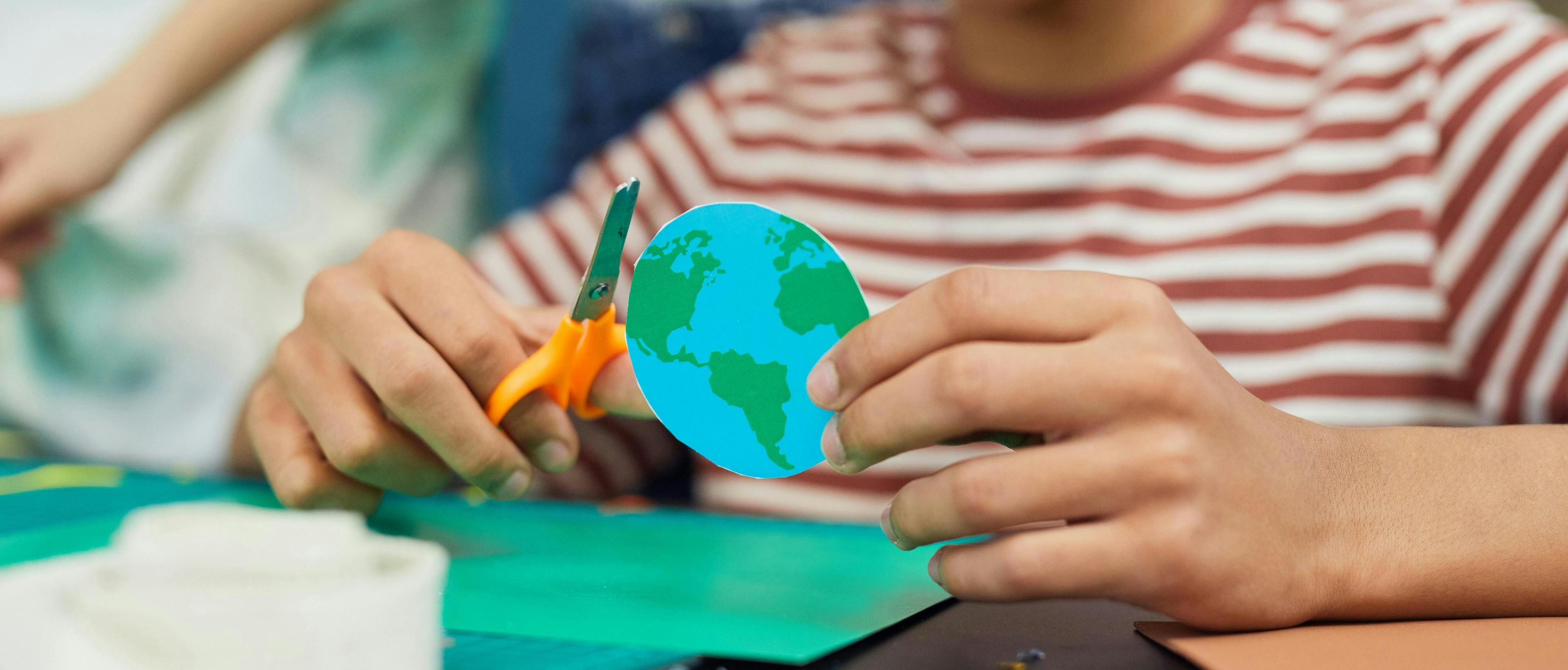
1. Fine Motor Skills and Hand-Eye Coordination
Long before a child learns to write their name, they need to develop the small muscles in their hands and wrists. Picking up a tiny bead, using safety scissors, or kneading clay are all essential "pre-writing" activities. In the UK education system, these are known as fine motor skills, and crafting is the most natural way to refine them. Source.
2. Boosting Cognitive Development and Literacy
Research suggests that arts and crafts help children understand spatial relationships and proportions. When a child follows a simple craft tutorial, they are learning "sequencing" and instruction-following—key skills for reading and mathematics. By describing their creations, children also expand their vocabulary and improve their communication skills. Source.
3. The Power of Creative Problem-Solving
Every craft project is a series of tiny puzzles. “How do I make the ears stay on this clay dog?” or “Which glue is strong enough for this card?” By encouraging children to find their own solutions, we teach them that there is rarely only one "right" way to do things. This brand of flexible thinking is a trait shared by the world’s most successful innovators.
4. Emotional Expression and Resilience
Not every child can find the words to express how they feel. For many, a paintbrush or a piece of charcoal is their first language. Crafting provides a safe outlet for emotions and builds resilience; when a project doesn't go quite right, it offers a low-stakes environment to "try again" and learn from mistakes. Source.
5. Patience and "Delayed Gratification"
We live in an era of instant results. Crafting teaches children the value of the process. Waiting for paint to dry or seeing a slow-growing knitting project teaches patience—a trait that scientific studies consistently link to better academic and social outcomes later in life.
6. Building Self-Esteem
There is a unique pride that comes with saying, “I made this.” Displaying a child’s artwork on the fridge or using a handmade bookmark isn't just about decoration; it’s a powerful boost to their self-worth. It tells them that their ideas have value and their efforts are noticed. Source.