
The Science of Making: 10 Surprising Benefits of Starting a New Hobby
Discover how starting a new creative hobby can scientifically reduce stress, sharpen your mind, and boost your well-being in our latest guide for UK makers.
We’ve all been there: staring at a beautiful craft kit or a bundle of vibrant yarn and thinking, “I’d love to try that, but do I have the time?” In the UK, we are living through a "creativity crunch." Between busy work schedules and digital burnout, making time for a hobby often feels like a luxury. However, science suggests it might actually be a necessity. At My Book Nook, we believe that picking up a new craft isn’t just about the finished product—it’s about what the process does for your brain and body.
Here are 10 surprising, science-backed benefits of diving into a new hobby.
1. The "Flow State" and Stress Reduction
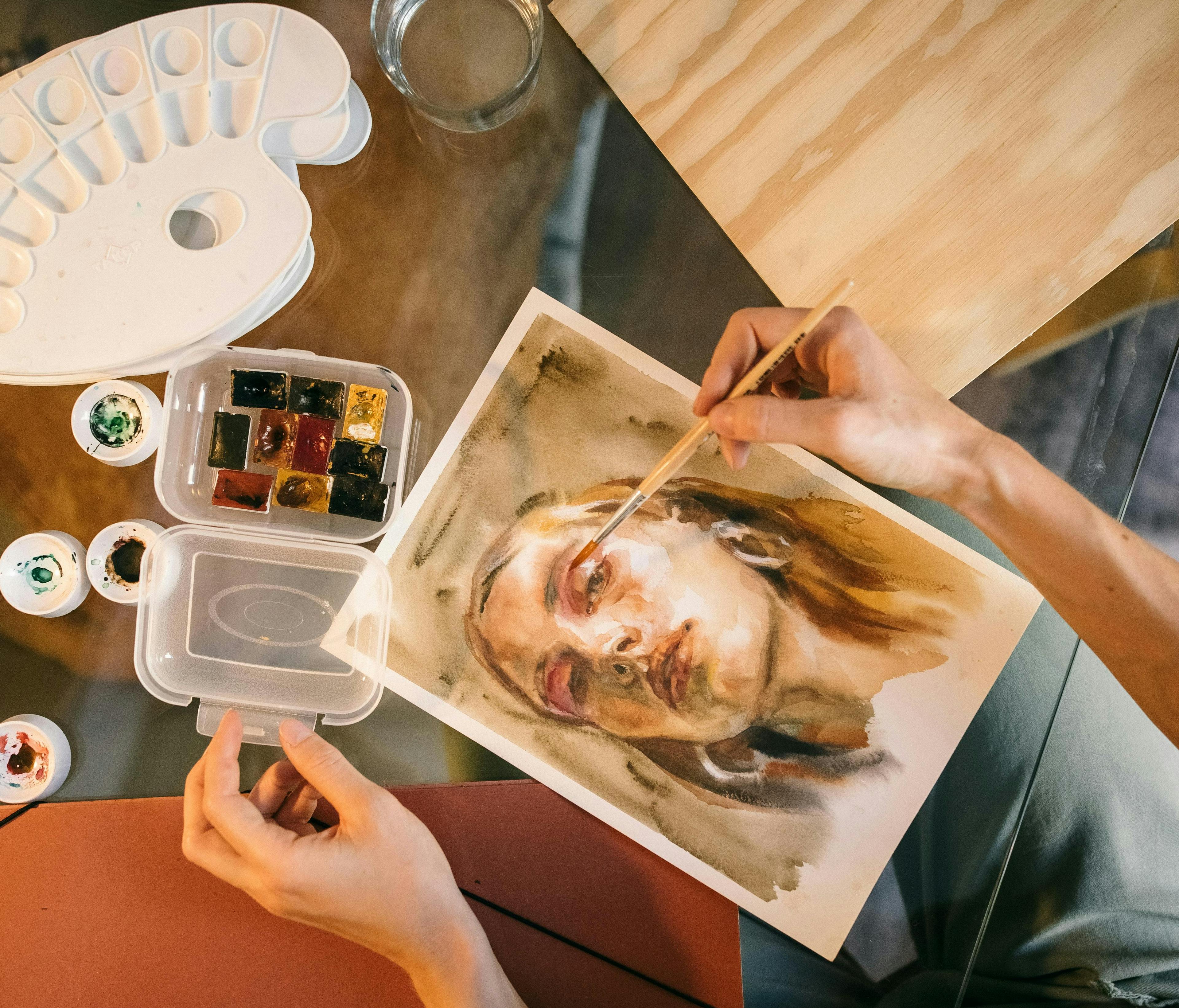
When you immerse yourself in a delicate craft, you enter what psychologists call a "flow state." This is a period of total absorption where your worries fade away. A study published in The Journal of Positive Psychology (2016) found that engaging in small creative tasks daily leads to an upward spiral of increased well-being and "flourishing" in the days following.
2. Building "Cognitive Reserve"
Learning a new skill, such as knitting or model building, forces your brain to create new neural pathways. This process, known as neuroplasticity, helps build a "cognitive reserve." Research from the Mayo Clinic suggests that engaging in crafts can reduce the risk of developing mild cognitive impairment by up to 30%.
3. Improving Fine Motor Skills
Whether it’s threading beads or using precision cutting tools, crafting keeps your hands and mind sharp. This is particularly beneficial as we age, helping to maintain dexterity and hand-eye coordination that we often lose in a world of touchscreens.
4. The Dopamine Hit of Completion
There is a reason finishing a project feels so good. Completing a task triggers the release of dopamine—the brain’s "reward" chemical. This natural anti-depressant boosts your mood and provides a sense of self-efficacy that carries over into your professional life.
5. Lowering Cortisol Levels
Stressed at work? Pick up a paintbrush. A study by Drexel University found that just 45 minutes of creative activity significantly lowers cortisol (the primary stress hormone) in the body, regardless of the person's skill level. You don't have to be an expert to reap the rewards.

6. Social Connection and Community
Crafting can be a solitary escape, but it’s also a powerful social bridge. From local UK "Stitch and Bitch" groups to online forums, hobbies connect us with like-minded people. Scientific reviews consistently show that social hobby-sharing reduces feelings of loneliness and anxiety.
7. Practising Mindfulness Without the "Work"
Many people struggle with traditional meditation. Crafting offers a "practical mindfulness." The repetitive motions of crochet or clay molding act as a form of active meditation, calming the nervous system without requiring you to sit still in silence.
8. Boosting Problem-Solving Skills
Every craft project comes with a "How do I fix this?" moment. Navigating these small challenges trains your brain to think outside the box. A study from San Francisco State University found that employees with creative hobbies performed better and were more helpful at their "day jobs."
9. Improving Sleep Quality
Engaging in a tactile hobby in the evening provides a vital "screen-free" window. By replacing blue light with a hands-on activity, you allow your melatonin levels to rise naturally, leading to deeper, more restorative sleep.
10. Reclaiming Your Identity
In a world where we are often defined by our job titles or family roles, a hobby gives you an identity that is purely yours. It provides a sense of purpose that isn’t tied to productivity or profit, but purely to the joy of creation.