
How to find and start your perfect creative hobby
Feeling inspired but not sure where to begin? Our beginner’s guide walks you through finding your "maker personality" and starting your first project with ease.
We have all felt that spark of inspiration while scrolling through social media or walking past a local craft fair. But for many of us in the UK, the journey from "I want to try that" to actually making something can feel a bit daunting. Where do you buy the tools? How much space do you need? What if you aren't "naturally" artistic?
At My Book Nook, we believe that everyone has a creative side - it’s just a matter of finding the right outlet. Here is our simple, step-by-step guide to starting a new hobby without the stress.
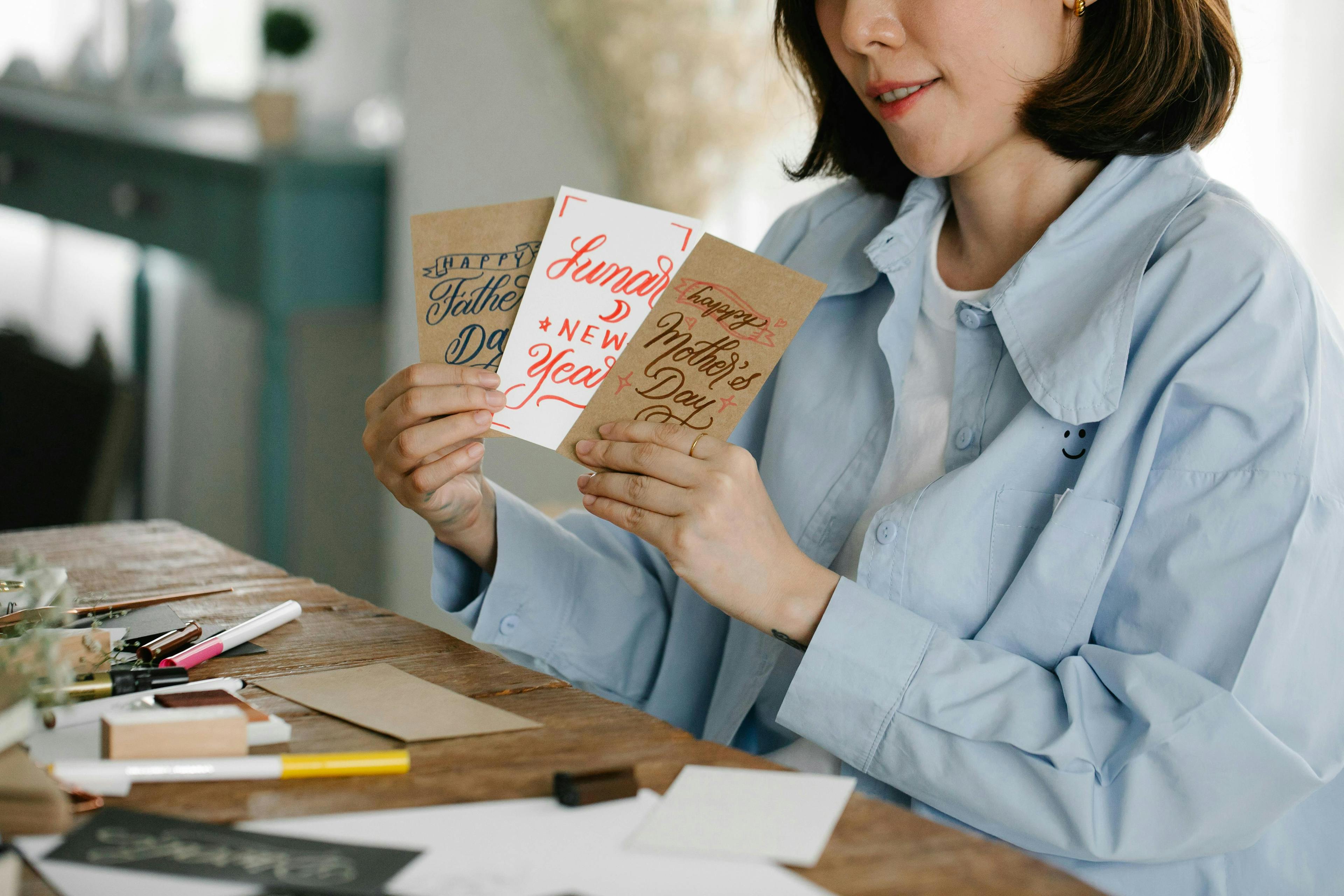
1. Identify your "Maker Personality"
Before buying supplies, think about what kind of process you enjoy.
- The Meditative Maker: You want to switch off after work. Try crochet, knitting, or diamond painting.
- The Practical Creator: You like making things you can use. Look into candle making, soap making, or sewing.
- The Detailed Artist: You love precision and focus. Paper quilling, embroidery, or miniature model building might be your calling.
2. Start small (and stay on budget)
One of the biggest mistakes beginners make is "over-kitting." You don’t need a dedicated studio or industrial-grade machinery to begin.
- The Essential Kit: Most hobbies only require a few basics: a good pair of scissors, a cutting mat, and a reliable adhesive.
- Use what you have: Before buying professional cardstock, practice your folds on scrap paper or upcycle old delivery boxes.
3. Clear your "Creative Zone"
You don’t need a spare room, but you do need a dedicated space—even if it's just one end of the kitchen table. Having a well-lit area where you can leave a project mid-way through makes it much easier to pick up your hobby for 20 minutes when you have a spare moment.
4. Embrace the "Ugly Phase"
Every crafter knows the "ugly phase"—that middle part of a project where it doesn't look like the picture on the box. This is where most people quit. Remember: your first attempt is about learning the movement of the tools, not creating a masterpiece. In the world of crafting, mistakes are just "unexpected design features."
5. Find your community
Joining a local craft group or following creators on TikTok and Instagram can provide tailored advice. From understanding British yarn weights to finding the best local workshops, the UK creative community is incredibly welcoming.